What Is a Professional Intervention — and How Is It Different From a Confrontation?
When most people hear the word "intervention," they picture a living room, a circle of crying family members, and someone being ambushed into admitting they have a problem. That picture isn't wrong exactly — but it's missing the most important part: the preparation.
An intervention is not a confrontation
A confrontation is reactive. Something bad happens — an overdose, a lost job, a car accident — and the family finally says what they've been holding back for months. Emotions are high, the timing is terrible, and the person struggling has every reason to become defensive and shut down.
A professional intervention is the opposite. It's deliberate. It's prepared. Every word, every family member's role, every anticipated objection has been thought through in advance — not in the room, but in the weeks before. When Craig Fluter leads an intervention, the family doesn't walk in hoping for the best. They walk in knowing what to say, what not to say, and what comes next regardless of how the person responds.
What preparation actually looks like
Before Craig ever enters the room with the person who is struggling, he spends significant time with the family. He learns about the individual — their history, their personality, the substances or behaviours involved, their previous attempts at treatment, their relationships, their fears. He identifies who in the family is most likely to stay calm, who might escalate, who the person trusts most.
He helps family members write letters — not angry letters, not lists of grievances, but carefully worded statements that describe the impact of the addiction without attacking the person. He anticipates the objections the person will raise and prepares the family for each one. He arranges the treatment placement in advance so that if the person agrees, there is somewhere to go immediately — that night, if necessary.
The difference
Craig holds the designation — CAC & CSUDA member — a professional designation that requires a college degree in addiction and family counselling, supervised practice hours, and ongoing professional development. Most people calling themselves interventionists in Canada hold a private coaching certificate that can be obtained in a weekend course.
This distinction matters in the room. A trained clinical counsellor reads the situation differently. They understand the psychology of denial, the mechanics of codependency, the way trauma shapes addiction. They know when to press and when to give space. They have done this hundreds of times. Together We Can, one of Canada's largest addiction recovery organisations, has acknowledged Craig as Canada's leading interventionist — not because of marketing, but because of outcomes.
When should you call?
The most common thing Craig hears from families is: "I wish we had called sooner." There is rarely a moment that is too early. If you are reading this article, you are probably past the point of wondering whether there is a problem. The question is what to do about it.
The answer is not to wait for a crisis. It's to call someone who has navigated this before and let them help you build a plan.
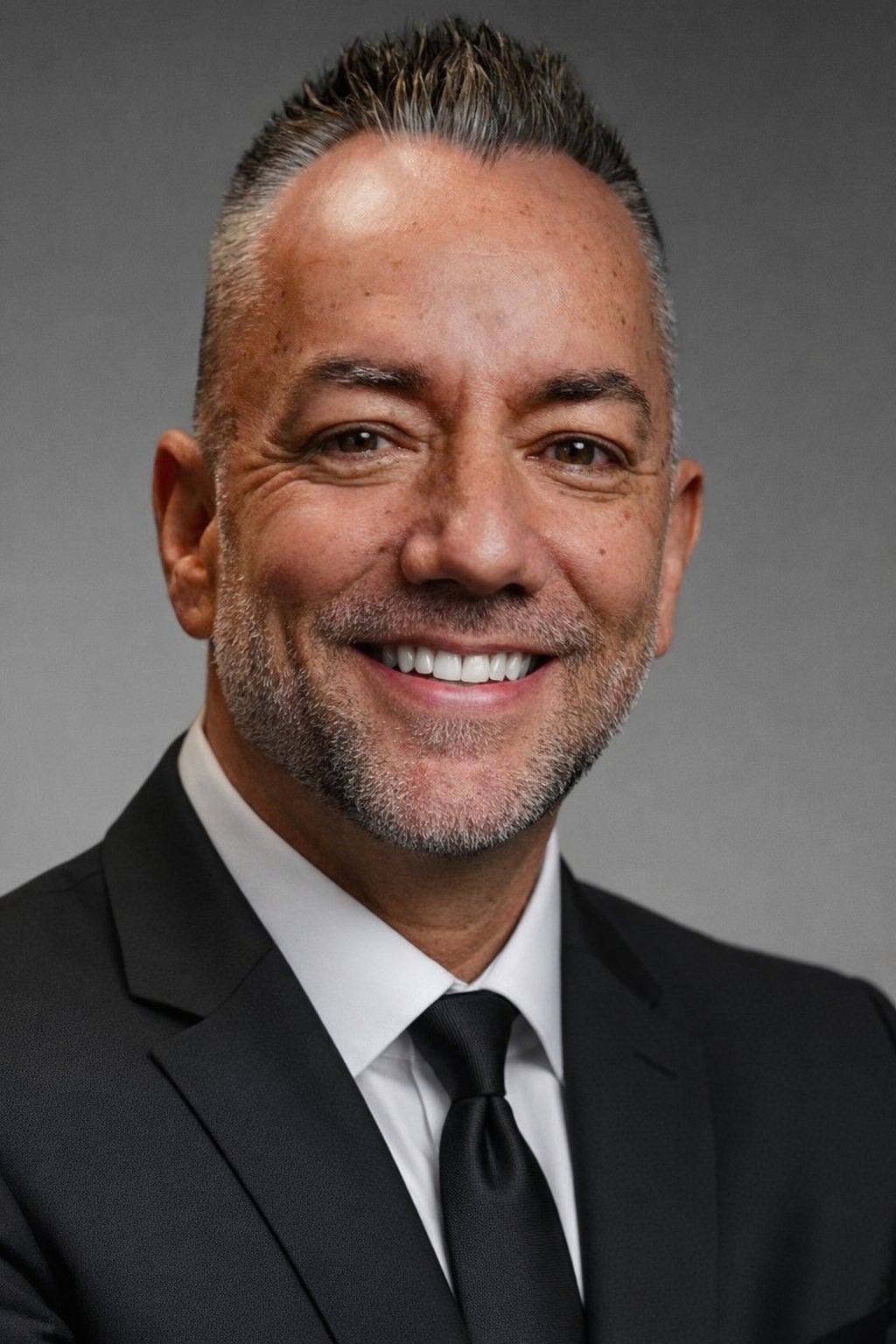
Craig Fluter, CAC & CSUDA member is the Director and founder of West Coast Interventions. He has 18 years of full-time practice in addiction and mental health, has performed hundreds of successful interventions across Canada, and is acknowledged by Together We Can as Canada’s leading interventionist.