8 Signs Your Loved One Needs a Professional Intervention
There is no clean line between "a problem" and "an addiction." There is no single moment where a family should have called a professional interventionist. But there are signs — patterns that, taken together, indicate the situation has moved beyond what a family conversation is likely to fix.
1. You've had the conversation more than once
If you have talked to your loved one about their substance use or behaviour more than once and nothing has changed, the conversation itself is not the problem. Something else needs to change.
2. The situation is getting worse, not better
Addiction is rarely static. If the pattern you're observing has escalated over the past six to twelve months — more frequent use, higher quantities, more dangerous behaviour, more consequences — that trajectory matters.
3. Other family members are being affected
When children, spouses, siblings, or parents are changing their behaviour around the person who is struggling — covering for them, avoiding certain topics, adjusting their own lives to manage the fallout — the addiction has expanded beyond one person.
4. They have made promises they haven't kept
Repeated promises to cut down, stop, or get help that are broken are not a character flaw — they are a symptom of the condition. A professional intervention doesn't rely on promises. It creates a structure in which treatment becomes the next step, not a future intention.
5. There have been physical consequences
An overdose, a health crisis, a hospitalisation, a DUI, a withdrawal seizure — any physical consequence is a signal that the substance use has reached a clinically dangerous level.
6. You are afraid to bring it up
If the topic of their addiction has become something the family avoids because of how they react — with anger, denial, or emotional withdrawal — that fear is information. It means the family dynamic around the addiction has become entrenched enough that outside help is needed to change it.
7. They have been to treatment before and relapsed
Relapse is common. It does not mean treatment failed permanently — it often means the wrong treatment was chosen, or the support structure after treatment was insufficient. A professional interventionist can help identify what went wrong and what a better approach looks like.
8. You feel like you're running out of options
This feeling — that you've tried everything and nothing has worked — is one of the most reliable indicators that a professional is needed. You haven't run out of options. You've run out of options you know about. Craig Fluter has navigated hundreds of situations that families described as hopeless. Call him.
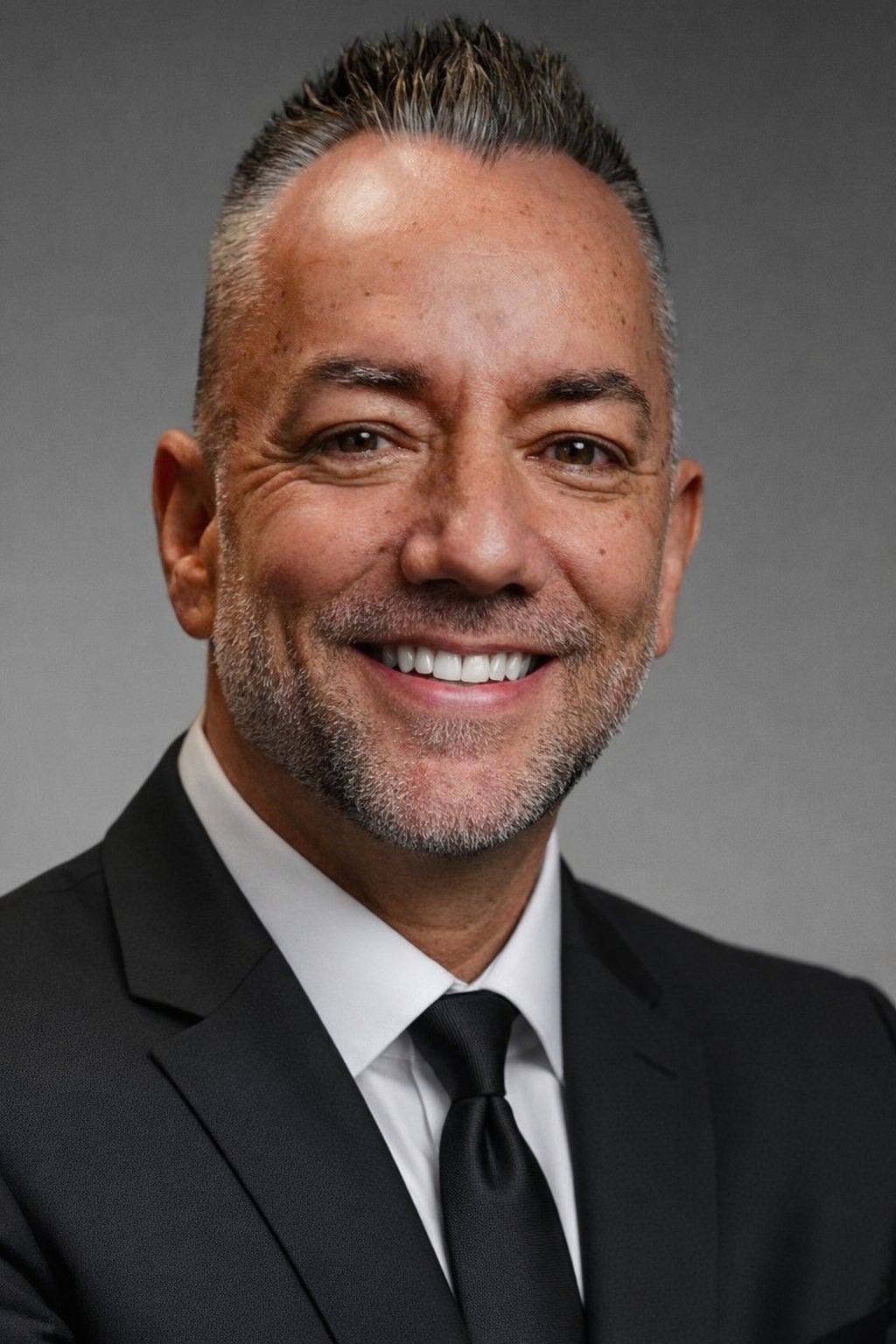
Craig Fluter, CAC & CSUDA member is the Director and founder of West Coast Interventions. He has 18 years of full-time practice in addiction and mental health, has performed hundreds of successful interventions across Canada, and is acknowledged by Together We Can as Canada’s leading interventionist.