What to Look for When Choosing an Interventionist
Choosing an interventionist is one of the hardest, most consequential decisions a family makes. The work is intimate. The stakes are high. The wrong fit can set things back. This is a short, honest list of what to look for — written by someone who has done this work full-time for 18 years.
1. Years of full-time practice — not just years in the field
There’s a meaningful difference between someone who has done a hundred interventions and someone who has done a handful while working other jobs. Ask directly: “How many interventions have you led personally? Over how many years?” The answer should be specific.
2. Education in addiction or counselling
Look for someone with a background in addiction counselling, family counselling, social work, or a related discipline. Lived experience is valuable — many of the best interventionists are also in long-term recovery — but it is strongest when paired with formal training. Ask what designations they hold.
3. Both harm reduction and tough love in the toolkit
Some practitioners only do confrontational interventions. Others only do harm reduction. Some families need one approach, some need the other, and many need a blend. The interventionist you want is the one who can assess your situation and choose — not the one who has only one move.
4. They lead the intervention themselves
Some practices send junior staff to do the actual work after the senior person sells you the package. If continuity matters to you — and in this work, it usually does — ask: “Who will be in the room? Will it be you, every step?”
5. Aftercare is part of the conversation
The intervention itself is one day. What happens before, during the treatment placement, and when your loved one comes home matters just as much. A good interventionist talks about all of it from the first call.
6. They take the first call seriously
The first phone call should feel like talking to a person, not a sales process. You should leave it with a clearer picture of your situation, even if you don’t decide to move forward. If you feel rushed, pressured, or talked at — that’s information.
Questions worth asking
- How many interventions have you led personally, and over how many years?
- What is your training and educational background?
- Do you do harm reduction, tough love, or both?
- Will you personally lead my family’s intervention, start to finish?
- What does aftercare look like?
- Are you in long-term recovery yourself?
- What is your typical timeline from first call to intervention day?
About Craig
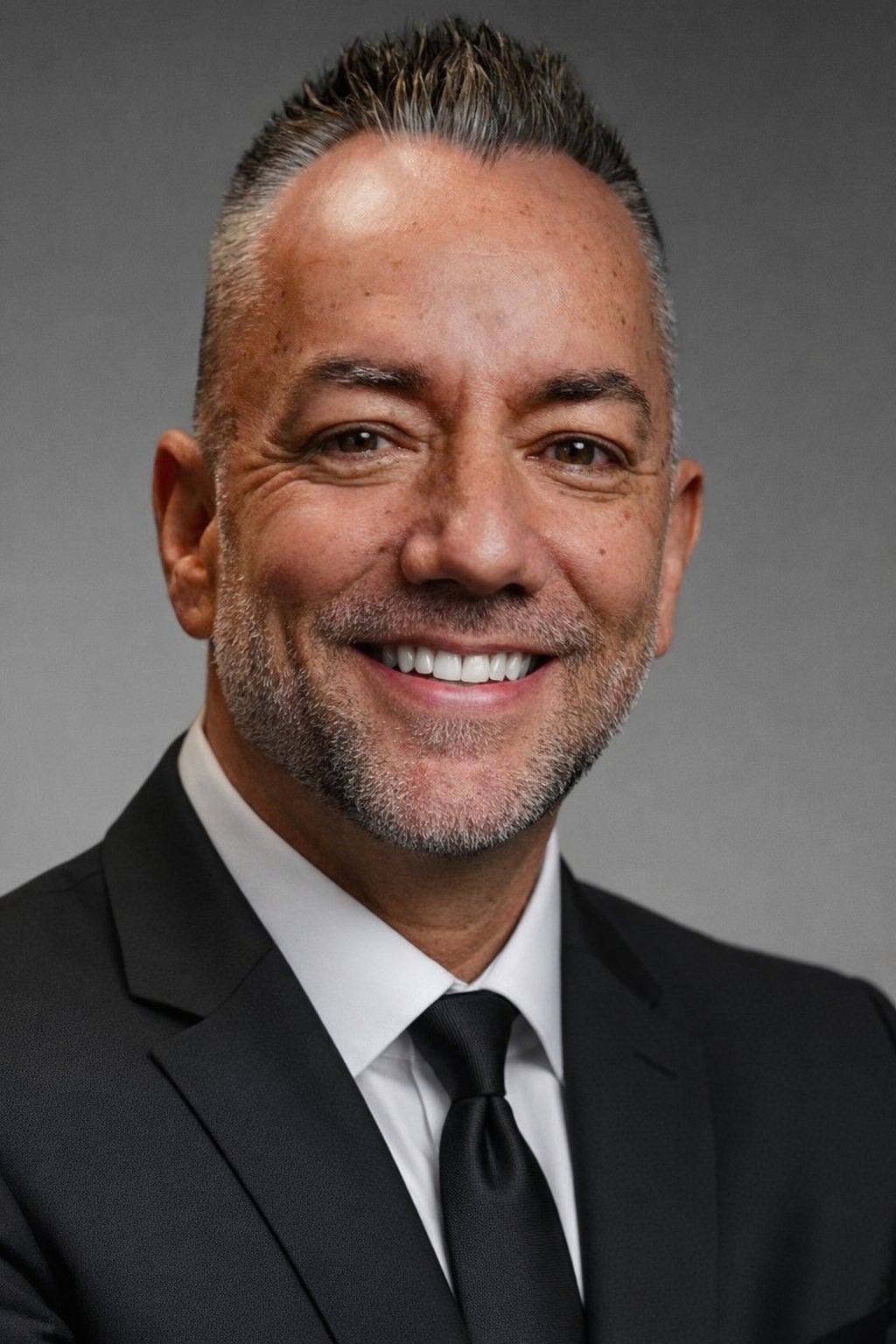
Craig Fluter is an addiction counsellor, CAC & CSUDA member, and Director of West Coast Interventions. He has 18 years of full-time practice and has led hundreds of interventions across Canada. He is in long-term recovery himself. He leads every intervention personally. He is acknowledged by Together We Can as Canada’s leading interventionist.
If your family is in the middle of this — call. 1-778-840-9351. First conversation is free, confidential, no obligation.