Harm Reduction Interventions: What Families Need to Know
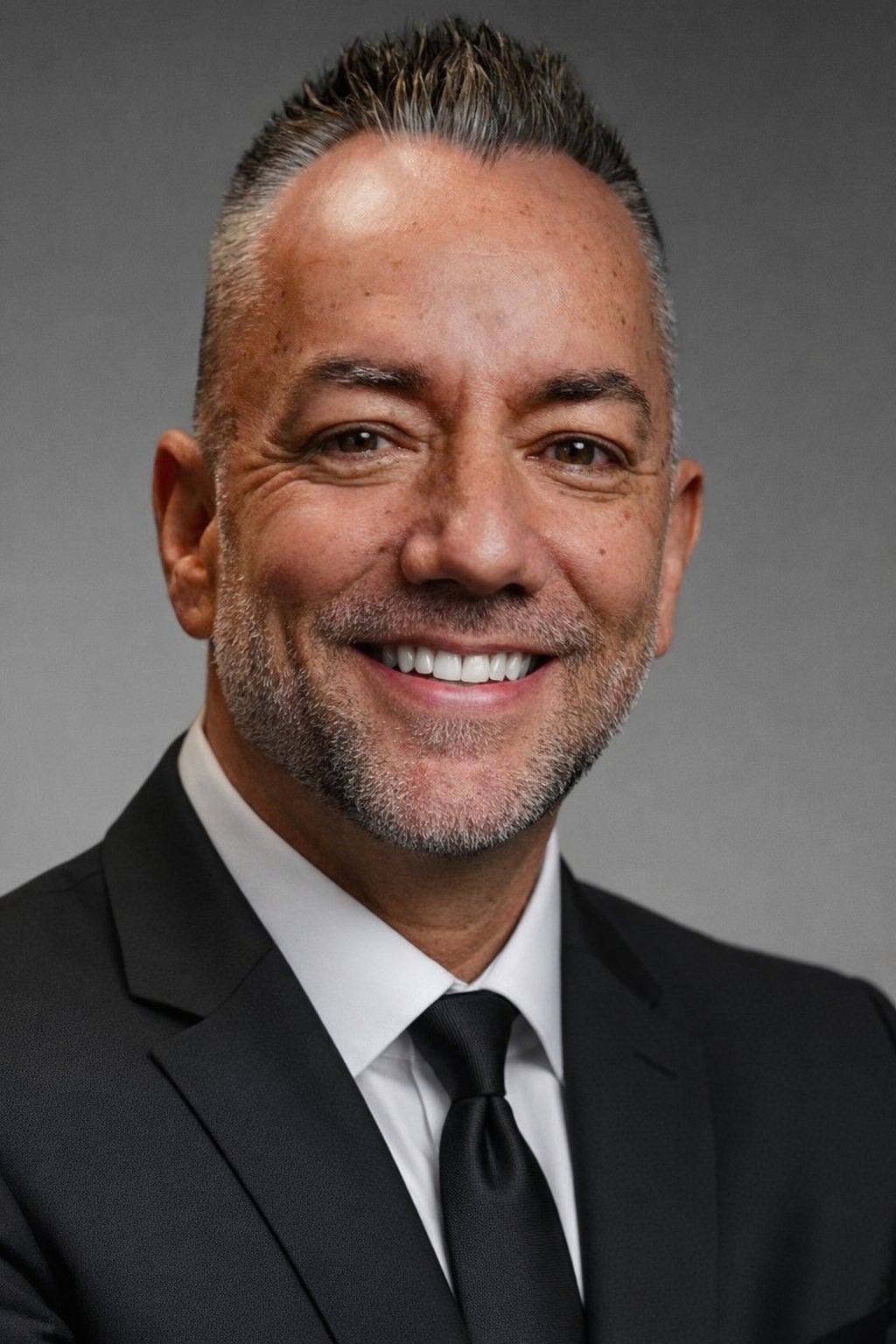
One of the most common things families say to Craig Fluter in a first call is: "He's not ready to stop." And they're right. Many people in the grip of active addiction are not ready for full abstinence — at least not yet. The question isn't whether that's true. The question is what to do about it.
What harm reduction actually means
Harm reduction is not giving up on someone. It is not accepting that things will always be this way. It is a clinical approach that prioritises reducing the immediate dangers of substance use while keeping the relationship and the possibility of change alive.
In practical terms, a harm reduction intervention might mean helping someone move from injecting to a less dangerous route of administration. It might mean connecting them with safer supply, naloxone, or supervised consumption services. It might mean establishing a regular check-in structure so that if they overdose, someone knows. It might simply mean having an honest conversation — for the first time — without the agenda of getting them to stop.
Why Craig uses this approach
Craig is one of the few interventionists in Canada with specific training in harm reduction. He uses it when the case calls for it — not as a permanent position, but as a strategic starting point. The goal is always long-term recovery. But the path to that goal sometimes begins with meeting someone exactly where they are.
He has seen families cut off all contact in the name of tough love and watched their loved one disappear entirely — unreachable when the moment of willingness finally arrived. He has also seen harm reduction approaches build enough trust and safety that a person voluntarily asked for help six months later. The intervention that looked like "not enough" was the thing that kept them alive long enough to be ready.
Harm reduction and fentanyl
The fentanyl crisis has made harm reduction more urgent than ever. A person using street drugs in Canada today is playing a different game than they were ten years ago. The drugs are more potent, less predictable, and more lethal. In this environment, the harm reduction framework — keeping someone alive, keeping them connected to their family, reducing immediate risk — is often the only realistic starting point.
If your loved one isn't ready to stop, that doesn't mean there's nothing you can do. Call Craig. The conversation starts with where your loved one actually is, not where you wish they were.
Craig Fluter, CAC & CSUDA member is the Director and founder of West Coast Interventions. He has 18 years of full-time practice in addiction and mental health, has performed hundreds of successful interventions across Canada, and is acknowledged by Together We Can as Canada’s leading interventionist.