What Happens After the Intervention: Treatment, Transition, and What Families Should Expect
A successful intervention ends with someone agreeing to get help. That moment — after months or years of fear, conflict, and helplessness — can feel like the finish line. It isn't. It's the starting line of a different kind of work.
Treatment placement is not a referral list
When Craig Fluter runs an intervention, the treatment placement is arranged in advance. Not a list of options to look up later — an actual bed, in an actual facility, on a specific date. This is deliberate. The window between someone agreeing to treatment and actually arriving at a facility is the highest-risk moment in the process. It needs to be hours, not days.
Craig doesn't make generic referrals. He knows the treatment centres across Canada, their philosophies, their strengths, their track records with specific presentations. He matches the person to the right programme — not the closest one, not the cheapest one, the right one.
What families should expect during treatment
Most residential treatment programmes last 30 to 90 days. During this period, families are typically restricted from contact for at least the first two weeks — sometimes longer. This is not punishment. It is a clinical decision designed to give the person space to begin the work without the dynamics of home pulling them back.
This period is hard for families. The urge to call, to check in, to reassure yourself that they are okay is powerful. Craig prepares families for this in advance. He also stays available during treatment — to answer questions, to process what's coming up, to help families use the time productively for their own healing.
The transition home
The first 90 days after treatment are statistically the highest-risk period for relapse. The triggers that were present before treatment are still present — often exactly where the person left them. A plan for this period is not optional.
Craig works with families on transition planning: what the rules of the home environment will be, what ongoing support the person will access, what the family's response will be if warning signs appear. This isn't about control. It's about creating conditions in which recovery has the best chance of holding.
Recovery is long-term
Addiction is a chronic condition. Recovery is not a destination — it is an ongoing practice. The intervention is the event that makes the first step possible. Everything after that is the real work. Families who understand this going in are better equipped to support their loved one through the difficulty of early recovery without expecting a linear path.
Craig remains available to the families he works with. The relationship does not end when the intervention does.
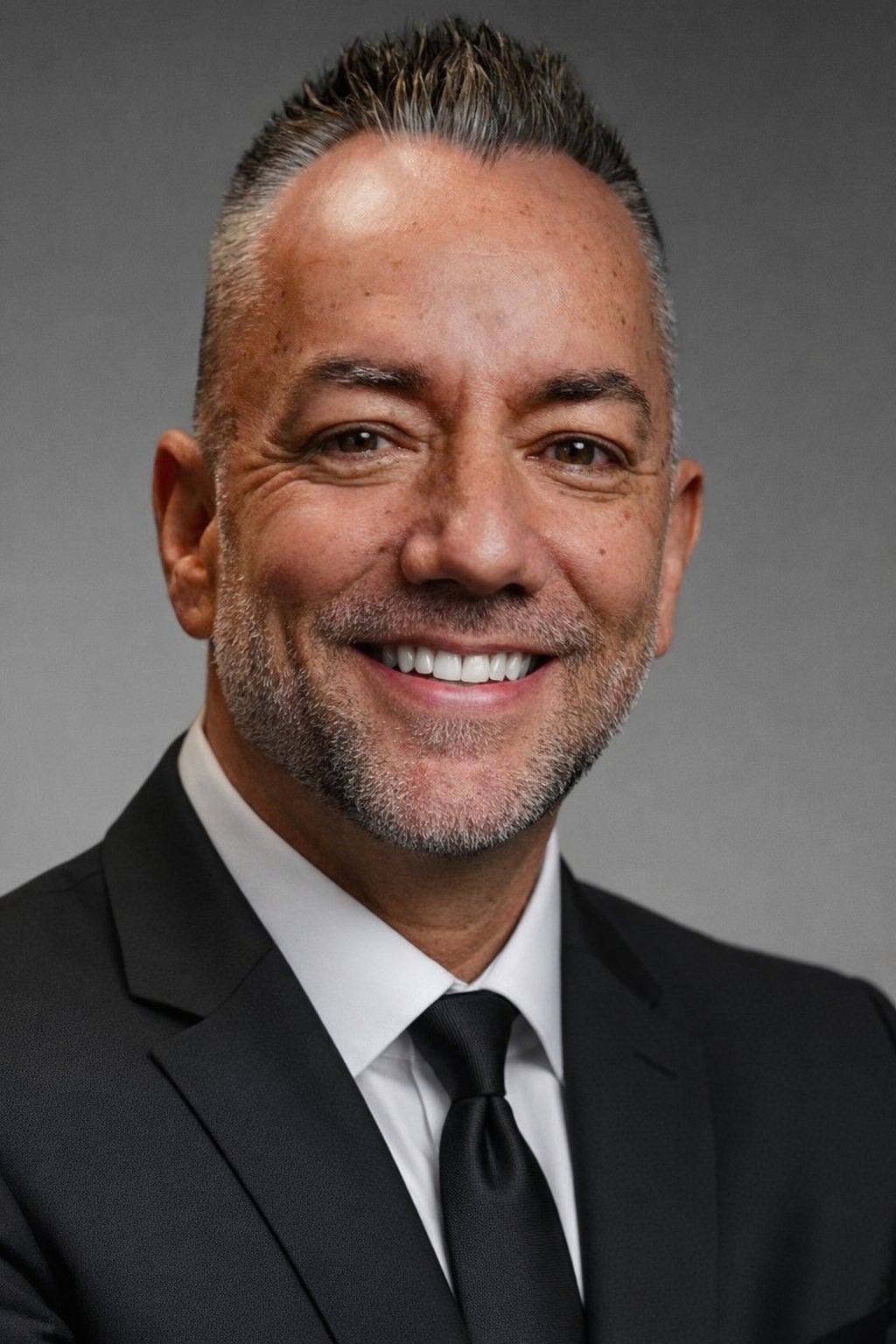
Craig Fluter, CAC & CSUDA member is the Director and founder of West Coast Interventions. He has 18 years of full-time practice in addiction and mental health, has performed hundreds of successful interventions across Canada, and is acknowledged by Together We Can as Canada’s leading interventionist.